Market Analysis
Shortlet Apartments in Nairobi: Best Areas, Costs, and Expected Returns
By WinOak Research Team
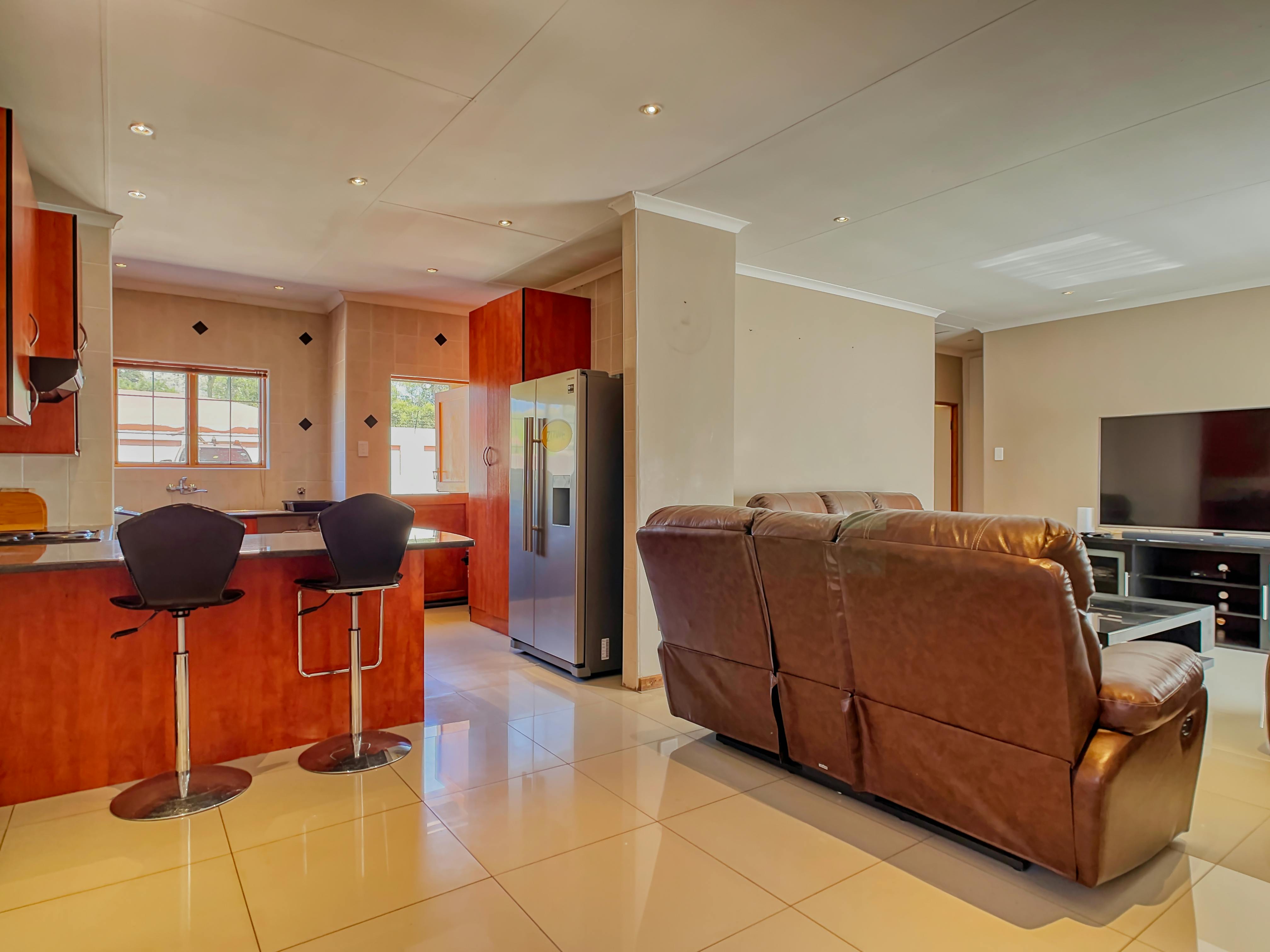
Compare Nairobi shortlet locations, market indicators, operating costs, compliance checks, long-term rentals, and the questions owners should ask before converting an apartment.
Shortlet apartments in Nairobi can work well when the location, unit type, guest demand, building rules, pricing, and daily operations fit together. They are not automatically more profitable than long-term rentals. A shortlet owner must budget for empty nights, furnishing, cleaning, utilities, platform costs, repairs, management, taxes, and compliance before comparing the strategy with a normal lease.
The latest Nairobi market snapshot from AirDNA, updated on 6 October 2026, reported 7,414 active short-term rental listings, 50% average occupancy, and a $46 average daily rate for September 2026. AirDNA also reported $8.1K in trailing-twelve-month average revenue per active listing. These are market-level indicators across Airbnb, Vrbo, and Booking.com data. They are not a forecast for one Nairobi apartment, and the figures are reported in US dollars.
This guide helps Nairobi property owners and investors assess shortlet apartments by location, cost structure, operating workload, and risk. It is educational information, not a guaranteed return, tax opinion, legal opinion, or investment recommendation.
Which Nairobi areas can suit shortlet apartments?
The best area depends on the guest the apartment is designed to serve. A business traveller, a relocating professional, a family, a medical visitor, and a leisure guest may value different access, amenities, and stay lengths.
Westlands
Westlands can suit shortlets aimed at business, corporate, diplomatic, retail, dining, and longer-stay guests who value access to offices and services. A well-managed apartment may compete on reliable internet, workspace, parking, security, housekeeping, and proximity to the guest's destination.
A premium address alone does not guarantee bookings. The unit still needs accurate positioning, clear photographs, responsive hosting, reliable utilities, and a price that reflects its actual condition and amenities.
Kilimani and Hurlingham
Kilimani and nearby Hurlingham have a large apartment supply and can suit guests looking for access to offices, restaurants, shopping, and central Nairobi corridors. The area can also attract longer-stay guests who want a furnished apartment rather than a hotel room.
Competition is important. Owners should compare similar units by bedroom count, furnishing, internet, backup power, parking, security, building facilities, cleaning standard, reviews, and cancellation terms. A new listing competes with the total guest experience, not only the address.
For market context on ordinary apartment rents, see WinOak's Kilimani apartment rental guide. Long-term asking rent can provide a useful comparison point, but it should not be treated as a direct shortlet revenue forecast.
Kileleshwa and Lavington
Kileleshwa and Lavington may appeal to guests seeking a quieter residential setting while remaining close to Nairobi's business and lifestyle destinations. The shortlet proposition may depend more heavily on privacy, space, parking, furnishing quality, and the building's house rules.
Owners should verify whether the apartment building and management allow short stays. A building with restrictions on guest access, security registration, noise, or frequent occupant turnover may not suit a shortlet model even when the neighbourhood appears attractive.
Karen and Gigiri
Karen and Gigiri can suit specific guest segments, including diplomatic, NGO, corporate, family, and longer-stay demand. The relevant opportunity may be less about maximising nightly turnover and more about matching a larger unit, compound setting, parking, privacy, or proximity to a particular institution.
The owner should test actual demand for the unit's size and location rather than applying a citywide average. A property that needs a car, has limited nearby services, or is far from a guest's destination may require a different price and minimum-stay strategy.
Nairobi CBD and Upper Hill
The CBD and Upper Hill can attract business, government, medical, conference, and transit-related demand. Access, security communication, parking, lift reliability, noise control, and check-in arrangements may be decisive for guest satisfaction.
A shortlet's location should be assessed from the guest's door-to-destination journey, not only from its neighbourhood label. A building that is close on a map but difficult to access may underperform a slightly more distant property with dependable transport and building operations.
What do shortlet apartments in Nairobi cost?
There is no single Nairobi shortlet price. The nightly rate changes with location, bedroom count, furnishing, season, length of stay, guest capacity, amenities, reviews, building quality, cleaning standard, and the number of comparable units available on the booking channels.
AirDNA's September 2026 Nairobi market snapshot reported a $46 average daily rate across its tracked market. That is an average of booked nights and should not be copied as the correct rate for a Kilimani studio, a Westlands two-bedroom, a Karen townhouse, or any specific WinOak listing.
A better pricing process is to compare at least five genuinely similar units. Check the total guest price, not just the headline nightly rate. Include cleaning charges, service fees, taxes where shown, minimum stays, discounts, cancellation terms, and whether the advertised calendar has real availability.
Then set a test price based on the unit's actual position. Track views, enquiries, conversion, booked nights, cancellations, reviews, and net cash received. Change one major pricing or listing variable at a time so the owner can learn what is affecting performance.
Gross revenue is not net income
Shortlet revenue begins with booked nights multiplied by the nightly rate. Net income comes after operating costs and required payments.
Common costs include:
furniture, linen, kitchen equipment, and initial setup;
cleaning and laundry between stays;
electricity, water, internet, and backup-power costs;
platform commissions and payment costs;
repairs, replacements, and maintenance call-outs;
building service charges and parking;
guest supplies and consumables;
photography, marketing, and software;
property-management fees;
insurance and professional services;
taxes and any applicable tourism or licensing requirements; and
vacancy, discounts, refunds, and cancellations.
AirDNA defines its annual-revenue figure as trailing-twelve-month earnings before host expenses, including booked nightly rates and guest fees. That definition is important. Gross or pre-expense revenue should never be presented as the owner's profit.
An illustrative shortlet calculation
Suppose a furnished apartment charges KES 10,000 per booked night and achieves 15 booked nights in a month. Gross booking revenue would be:
KES 10,000 × 15 nights = KES 150,000 gross booking revenue.
This is only an illustration. It does not represent a Nairobi average or a forecast for a particular property. If operating costs, platform charges, cleaning, utilities, management, service charges, taxes, and repairs total KES 55,000 for that month, the illustrative balance before financing and income tax would be KES 95,000. Actual figures can be materially different.
The same apartment should also be tested against a long-term lease. If a reliable long-term rent produces a lower but steadier monthly amount with fewer operating costs and less owner involvement, the shortlet option must earn enough extra income to justify its additional risk and workload.
Shortlet versus long-term rental
Shortlet advantages
A shortlet may offer flexible pricing, the ability to use the apartment personally, access to different guest segments, and a chance to respond to seasonal or event-related demand. The owner may also be able to reposition the property faster than under a fixed lease.
Shortlet trade-offs
The owner accepts more operational work, more frequent cleaning, variable occupancy, guest communication, furnishing wear, review risk, platform dependency, and potentially higher compliance requirements. Management can reduce the owner's daily workload, but it introduces a fee and does not guarantee occupancy or income.
Long-term rental advantages
A long-term tenancy can offer more predictable payment timing, lower turnover, fewer furnishing and cleaning cycles, and a simpler operating process. It may suit an owner who values stability or does not want to run a hospitality operation.
The comparison should use net income, time, risk, and capital required, not the highest possible shortlet month. WinOak's Property Management in Nairobi guide explains the operating responsibilities owners should define when appointing a manager.
Compliance checks before listing the apartment
Shortlet owners should confirm the legal and operational position before accepting bookings. The Tourism Regulatory Authority provides licensing information, licence verification, and accommodation-sector regulatory resources. The applicable category and requirements should be confirmed for the specific operation rather than assumed from another host's setup.
Check the apartment's title or lease conditions, building management rules, residents' association policies, insurance, security procedures, guest registration process, and any county or tourism requirements. If the property is financed, review the lender's conditions as well.
Tax treatment also needs care. KRA's residential rental-income guidance describes the Monthly Rental Income regime for qualifying residential rental income. A furnished shortlet, hospitality-style operation, company-owned property, non-resident owner, or different guest arrangement may require a different analysis. Confirm the treatment with KRA or a qualified tax adviser instead of applying a residential-rent rate automatically.
For Nairobi planning and building context, WinOak's zoning and development-control guide explains why the property's permitted use, surrounding development, building approvals, and infrastructure should be checked.
What a shortlet manager should handle
If the owner appoints a manager, the agreement should define the service rather than using only the label "shortlet management". Confirm who handles listing creation, pricing, guest screening, check-in, cleaning, maintenance, reviews, refunds, emergency calls, supplies, accounting, and tax records.
The agreement should also state the management fee, the calculation base, minimum charges, booking commissions, maintenance mark-ups, owner-use rules, approval thresholds, reporting frequency, cancellation decisions, and termination procedure. Ask for a sample monthly statement showing gross bookings, platform deductions, refunds, operating expenses, management fees, and the balance remitted.
A professional manager can make the model easier to operate, but the owner still needs to understand the numbers. Better administration is not the same as guaranteed returns.
Shortlet owner checklist
Before converting an apartment, answer these questions:
Who is the target guest, and what evidence supports that demand?
Does the building permit short stays and frequent guest turnover?
What is the comparable nightly rate for similar units?
What occupancy assumption is being used, and is it based on a verified local dataset?
What is the long-term rent alternative?
How much will furnishing, setup, and replacement cost?
Who handles cleaning, guest communication, repairs, and emergencies?
What are the platform, management, service-charge, utility, tax, and licensing costs?
What will be the owner's net cash flow after all operating costs?
What happens during low season, vacancy, cancellation, or a building restriction?
Are the owner, manager, building, and property compliant with applicable requirements?
How will bookings, expenses, guest payments, and tax records be documented?
Conclusion
Shortlet apartments in Nairobi can suit the right property and operating plan, particularly where the guest profile, location, unit quality, building rules, and management process align. The market data shows real activity, but a citywide average cannot answer what one apartment will earn.
Use AirDNA's September 2026 indicators as context, then build a property-specific model using comparable listings, realistic occupancy, the long-term rental alternative, full operating costs, and professional compliance advice. A shortlet decision is strongest when it works on a conservative net-income basis, not only on a high nightly-rate headline.
Browse WinOak's current property listings for apartments and homes that may suit different rental strategies. Owners who want to discuss a shortlet or long-term management plan can contact WinOak Realty with the location, unit type, furnishing status, current rent, and intended use.
Sources, methodology, and limitations
This draft was prepared by the WinOak Research Team and last verified on 8 October 2026. The market indicators come from AirDNA's Nairobi market data, updated 6 October 2026. AirDNA reports 7,414 active listings, 50% average occupancy, a $46 average daily rate, and $8.1K average trailing-twelve-month revenue for the tracked Nairobi market as of September 2026. AirDNA states that its revenue figure is before host expenses and that market averages hide variation by neighbourhood, property type, and listing quality.
Regulatory and tax context was checked against the Tourism Regulatory Authority and Kenya Revenue Authority. The KRA page contains detailed residential rental-income rules, but the correct treatment for a particular shortlet operation should be confirmed with KRA or a qualified tax adviser. This article is educational information, not legal, tax, financial, valuation, or investment advice. It does not guarantee occupancy, revenue, returns, bookings, or property performance.
Featured image credit: Alexander F Ungerer via Pexels image page. Pexels licence. Image downloaded 8 October 2026. The image is illustrative and is not a specific WinOak listing.